THE DEVELOPMENT OF WESTERN EDUCATION IN IDANRE
By
Charles Akinde
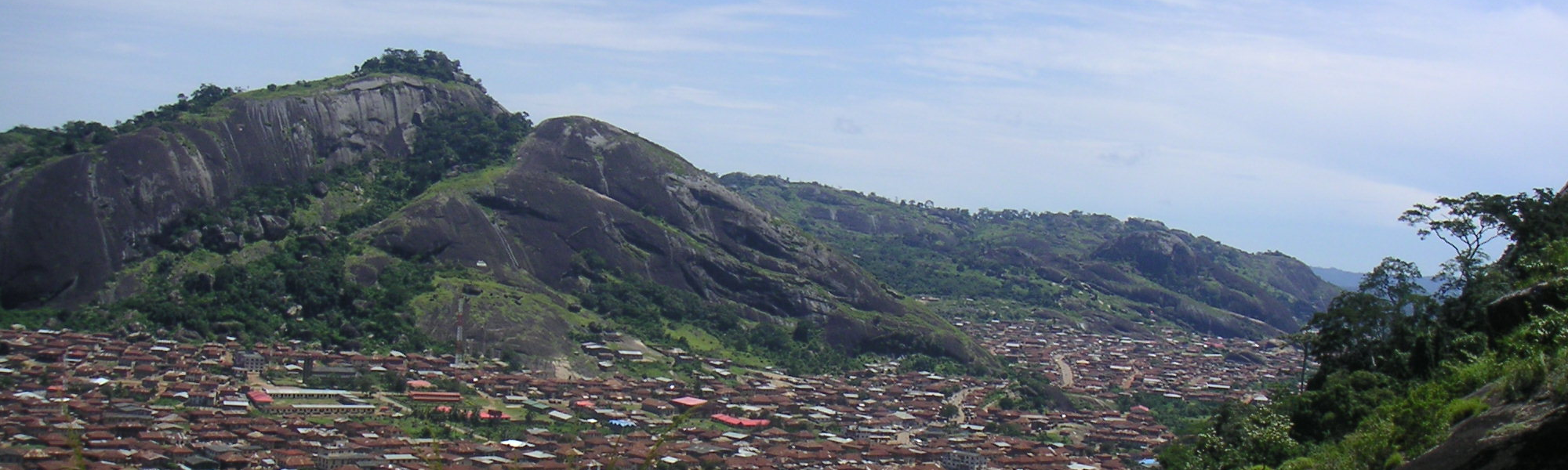
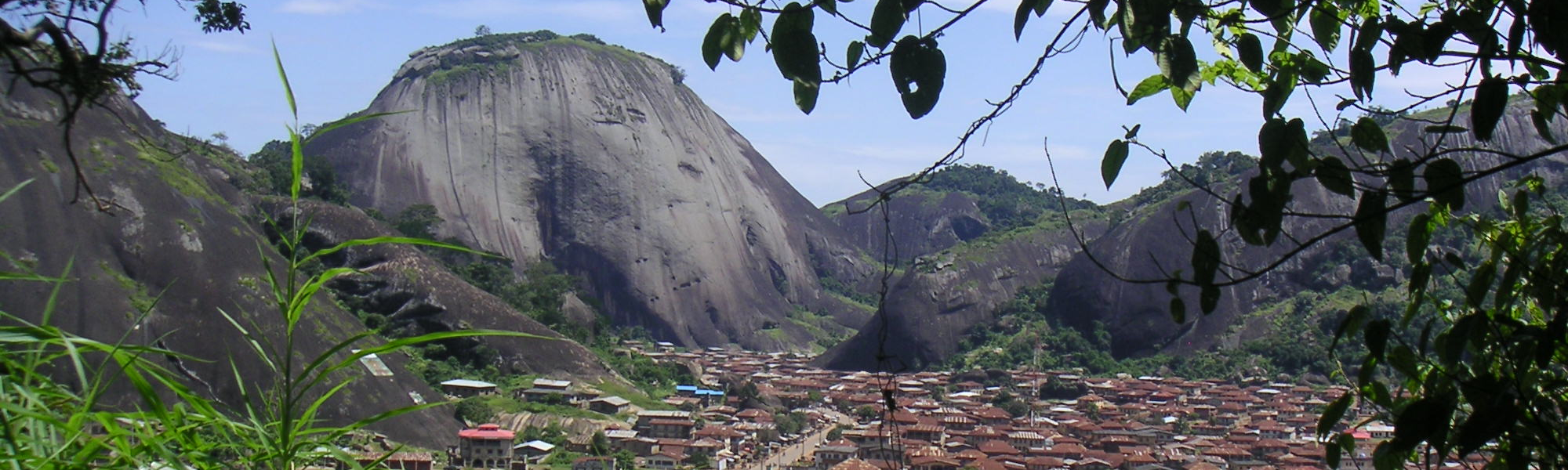
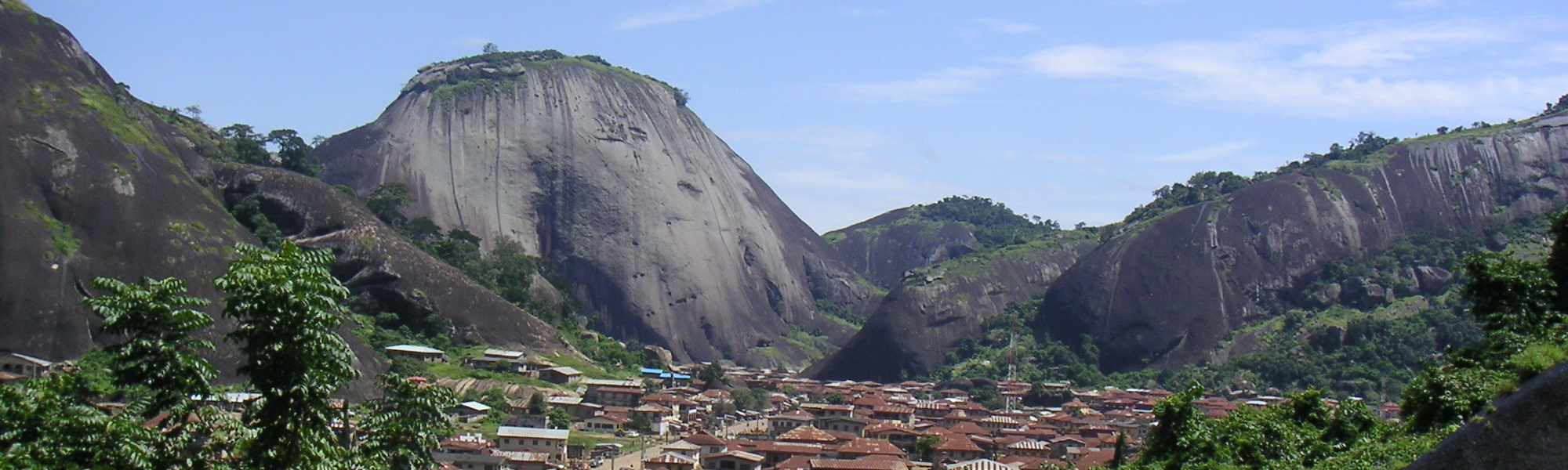
Modern or Western education was slow in coming to Idanre. One pf the explanations is that, Idanre people had locked themselves up on Idanre Hills for too long, for over a millennium. The reason for that has been given as the escape from kidnappers during the dark ages and from slave raiding and warfare during the intertribal wars that plagued the length and breath of Yorubaland during the 18th and 19th centuries.
Another reason for their total escape from all contacts with other Yoruba people and western education was their fear of losing the treasured beaded crown and other royal regalia brought from Ile Ife by Aremitan (known as Olofin) during his migration with his groups from Ile Ife after the death of Oduduwa.
The urge not to loose the crown was probably responsible for the total black out of Idanre people from contact with other more powerful Yoruba kingdoms such as Ijesas, Oyos and Ijebus. Although many people are still doubting the claim that the original Oduduwa crown is the one in Idanre, many others acknowledged the story as authentic.
Until opportunity presents itself for scientific testing by radio carboning or other scientific means, the claim will remain a misery. Although there are other ancient crowns in the Idanre palace, which include Obanifon crown, Obatala and crowns brought by the groups who came to Ufe Oke (Oke Idanre) with Agboogun the first Owa of Idanre, when they reached Oke Idanre and agreed to have only one monarch for better protection, administration and dignity. These groups were Logunro of Irowo, Asalu of Usalu, Jemiken of Udale, even Olunonren who stationed or positioned himself at Odeja quarters. there may also be other crowns from the other groups who moved with Idanre people at an earlier or later days.
The positioning of these key figures or personalities at Oke Idanre clearly indicated that the arrangement of quarters was a deliberate act to protect the crown. For instance, Jemiken who was a powerful hunter and medicine man was stationed at the Eastern entrance to Oke Idanre. Egunren, a head hunter was placed very close to the palace location side by side with Logunro a powerful warrior. Asalu was at the Southern part of the settlement with his group – Usalu people.
Western Education was introduced into Idanre after the visit of the Colonial Governor of Lagos in person of Governor Sir Gilbert Thomas Carter KCMG, KCVO.in 1894. After meeting with the then Owa of Idanreland, Oba Arubiefin the first, education started in small spots by Christians joined with Christian evangelism amidst the majority of traditional believers. The first primary school was established at Ugboore Oke Idanre in 1895, some of Idanre indigenes went out to learn trades such as carpentry, masonry etc. on returning home they joined with the Christians which made their population to increase. With the increase in the population of Christians, they started to agitate or press for movement of the entire town down the hills from Oke Idanre.
Idanre people moved down to the present settlements of Alade and Odode in 1928 and 1933 respectively Part of Atosin had been a farm outpost for one of the Idanre Chiefs. Down the hills, schools were built by the Christian Missionaries, They were pioneered by the older Mission houses from Ondo. Indeed the first sod of the St Andrew’s Primary School, the oldest at Alade was laid by Bishop Philip of the Anglican Communion from Ondo. Thereafter, St. Paul’s Primary School was established at Odode and other Mission houses, the Catholics and the Methodists also established their exclusive primary schools. Many of the older generation of leaders at Idanre attended one or the other of the missionary primary schools.
Modern Education took a dramatic turn after the Western Government led by Chief Obafemi Awolowo took control of rulership from the colonial powers in 1954. His party and supporters believed that education was a right which everyone was entitled to have and enjoy. Therefore he established Free Primary Education for every school age children. More schools were established to accommodate the school age children and the erstwhile missionary schools were incorporated into the scheme, although they were still allowed to keep their missionary names. This singular act made education to spread to all corners of Western Nigeria, Idanre included.
The first batch of these free education pupils came out in 1956. The stage was set for the new graduands to seek for admission into secondary schools. As there was none in Idanre, the pupils had to seek admission in other towns, Akure, Owo, Ado Ekiti even as far as Oyo, Benin and Lagos. As the primary schools continued to graduate primary school leavers in large numbers, It was necessary to establish secondary schools at home in Idanre, as the outside secondary schools were not able to accommodate primary school leavers from Idanre. It dawned on Idanre people that unless there was a secondary school in Idanre, the teeming population of primary school leavers would be dispossed of the secondary school education or denied the joy of a secondary school education, which was the standard of education at the time. Therefore, the thought to establish a secondary school at Idanre came to the leaders of the community. All taxable adult population were taxed, and the council was made to get some support from the timber contractors from Idanre forest reserve.
The Church Missionary Society, now called Anglican Communion started fund raising activities in the church, until the community’s quota was reached for the establishment of the premier secondary school in Idanre named as Olofin Anglican Grammar School. Chief Gabriel Akinola Deko, who was the political leader in Idanre was a Minister in Awolowo’s cabinet, therefore he was able to use his position to appeal for a quick approval and recognition of a secondary school at Idanre, after the required conditions were met, Chief Awosika, an Ondo indigene, was then the Education Minister in the Western Regional cabinet.
After the establishment of Olofin Grammar School, Idanre, other post primary schools were established, Methodist Modern School, St Joseph’s Catholic Secondary School Baptist High School were established. Apart from the missionary oriented post primary schools, some individuals, as a service to their community started to set up secondary schools, hence there was Ebun Ogunyimika secondary school at Atosin Idanre, then Ilemobola Grammar school and later Idanre High school Alade Idanre.
There were other community secondary schools in the past such as Bajare community grammar school, Aiyede Irowa grammar school, Ala Elefosan grammar school, Onisere Ufosun secondary school etc. These community based secondary schools functioned until when another regime came on board in Ondo State, and had majority of the secondary schools closed down. Until recently, many individuals started to set up first, primary later secondary schools.
Today, apart from the government secondary schools, there are over 30 private primary and secondary schools in Idanre. All these schools produce many secondary school graduates annually. As would be expected, most of the students aspire to further education to post secondary school levels. Being unable to reach this goal, many of them migrate to cities, in search for greener pastures either for job or other businesses. Not being able to succeed in the bigger towns many returned home to become menace to their neighbours and families. Some went to cultivate cocoa plantation for ready cash, many resort to Okada transport riding as alternative, and many engage in not so lucrative businesses instead of going for farming and agriculture which is the traditional vocation of Idanre people from time immemorial.
Today in 2016, like 50 years ago in 1956, The pressure of home grown secondary school leavers is heavy on Idanre people and community. The need for higher education becomes imperative than ever before. It is true that small proportion of the school leavers made for higher institution in other towns and communities, those that remain at home are much larger than those who had the opportunity and means to attend any form of post secondary schools.
Even then, those who were able to get higher education could not find employment at home, therefore they are lost to the community for ever. Whereas, if there is a post secondary school at home, it is likely that the graduating youth who wish to remain at home or return home after receiving education outside, would have an opportunity of employment and thereby contributing to the Internally Generated Revenue and important of the environment (human and material) of the Local Government.
Idanre Community remains one of the very few large and rich communities in Ondo State that has no higher education establishment. This deficiency has drawn the community backward in all spheres of social and economic development. The influence which the presence of a higher institution in a community brings is totally lacking, so also is the development of infrastructure that follows the presence of a high institution is also not there. Because of this deficiency, the people working in Idanre local government at Owena (several kilometres away), were not ready to stay in the local government. They make their homes in another town where there are more facilities and opportunities, while they come to Idanre just for work, therefore their services and influences were lost to the Idanre community, and the government is not in a hurry to do any improvement to the plights of the people .
Many of the indigenes of Idanre were aware and concerned about these problems. there were many discussions and programmes aimed at trying to solve some of the educational problems. One such programme was held six years ago, from December 17th to 18th 2010 by Idanre Development Group (IDG) titled “First Education Summit 2010.” The theme was “Repositioning Idanre Education Sector for Sustainable Development” This group brought to focus the educational problems and situations of Idanre community, through their survey and educational needs assessment. Although the report was a raw data, without comprehensive analysis or interpretation, it is nevertheless commendable since it showed some concern about the educational situation of the Local Government, the first of its kind. The IDG’s educational summit gave some insight into educational situation in Idanre Local Government and particularly item “v” of its aim and objectives for the summit as to “facilitate the establishment of higher institution of learning (private or government) in Idanreland”.
Apart from this pioneer summit, other organisations have been working relentlessly on one or the other aspects of educational facility for Idanre, e.g the provision of a community library, scholarship awards etc. To crown it all, the Idanre Day 2014 and 2015 had as its main focus for appeal, the ultimate establishment of an Institution of Higher Learning In Idanre. The donors in that occasion pledged their support for the project when it is started.
From this clue, the Owa in Ugha traditional Council pronounced their commitment to the establishment of a University in Idanre Local Government. Lands were donated and the process of registration were begun. Some members of the Ugha traditional council started donating funds towards the establishment of the Institution.
(To be continued)